






Retina specialists in New York have shown severe vision loss caused by self-prescribed high doses of niacin (vitamin B3) can be reversed by discontinuing the vitamin.
Used for lowering cholesterol, prescription and over-the-counter niacin can produce rare toxic reaction niacin-induced cystoid maculopathy, if overused.
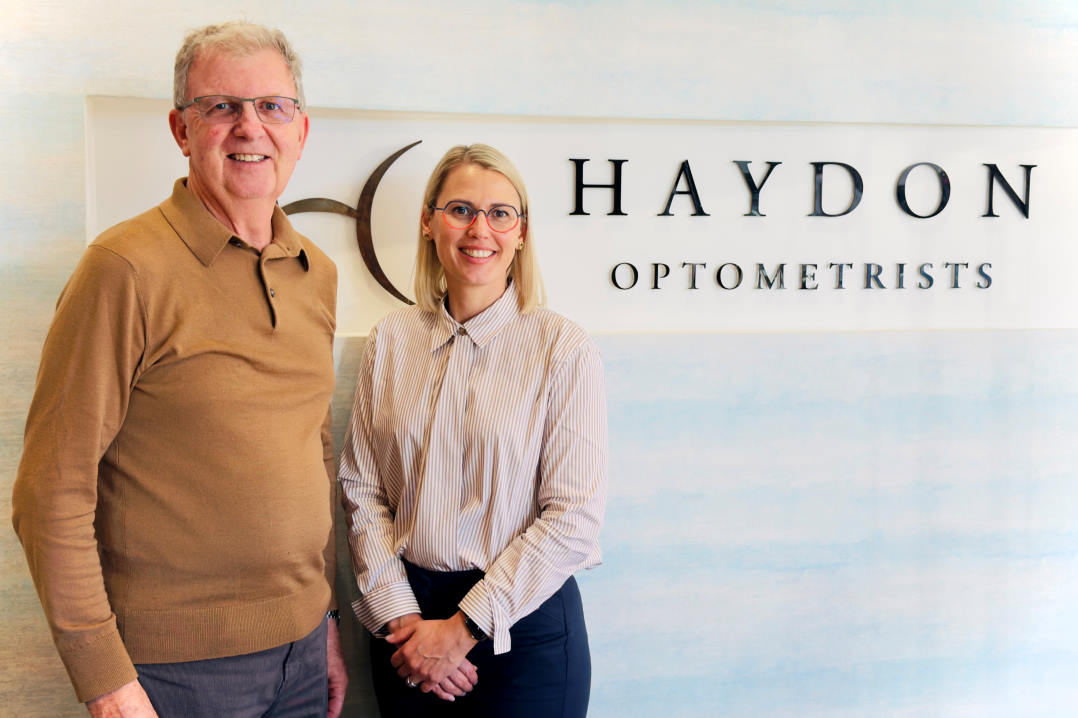
New York Eye and Ear Infirmary of Mount Sinai (NYEE) lead researcher Dr Richard Rosen said, "People often live by the philosophy that if a little bit is good, more should be better. This study shows how dangerous large doses of a commonly used over-the-counter medication can be.”
Published in Journal of VitreoRetinal Diseases, the study demonstrated by using fluorescein angiography, optical coherence tomography and multifocal electroretinography (MERG), clinicians diagnosed a 61 year-old patient with niacin-induced maculopathy. A high dose of niacin had led to cystoid macular oedema of the retina and clinicians were also able to identify the cellular structures responsible for the patient's condition. MERG showed reduced b-waves, indicating Müller cells were affected by toxicity, said Dr Rosen.
Discontinuation of the vitamin reversed this, restoring retinal function and electrical signals. For the first time, specialists were able to demonstrate Müller cells were the target of niacin toxicity.