




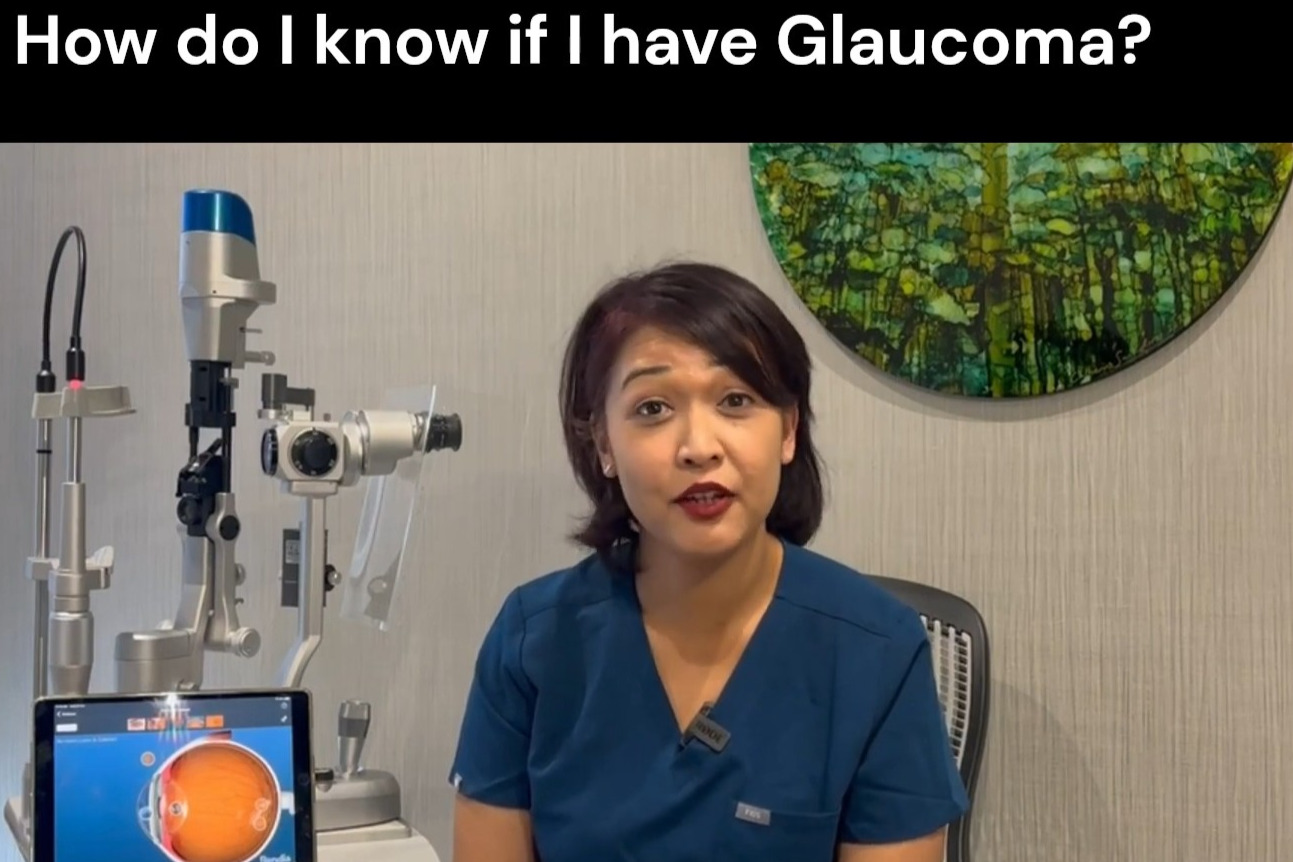
Auckland-based ophthalmologist Dr Divya Perumal has been targeted in a social media deepfake video in which the surgeon appears to promote a ‘sight-saving’ product she had supposedly developed, and denounce the medical industry as “a cartel”.
Dr Perumal told NZ Optics she was alerted to the video in early May by a member of the public who noticed it appearing on Facebook. “The video made it appear that I am endorsing an unregulated eye medication. It claims this product is a ‘miracle cure’ for serious conditions like glaucoma, cataracts and dementia, often using fabricated negative comments about the medical and ophthalmic profession to drive sales. It is imperative to note that the system was not hacked and no patient data was at risk.”
Seeing the video for the first time was a “deeply violating experience”, said Dr Perumal. “Seeing my own voice and face digitally manipulated to sell unregulated products is a direct assault on the years of trust I have built with my patients. It felt like my professional qualifications had been weaponised to facilitate a fraud. The AI images were so convincing that they easily bypassed our scam filters.”
Dr Perumal said she suspects the people behind the video used generative AI to recreate her voice and image using material from Re:Vision’s YouTube channel, where the practice has shared 117 educational videos.
The scam appears to be running primarily as paid Facebook advertisements, accessed when a person clicks on the advertisement and is redirected to an external URL, she explained. “Because these are ‘dark ads’, they do not appear on my public clinical pages or in public searches, making them very difficult to detect personally. I suspect the advertisements specifically target elderly patients with ocular disease in New Zealand.”
Dr Perumal said she has had several enquiries from the public asking if the endorsement was real, and she’s not even certain the product in the ad actually exists. “Fortunately, I am not aware of any patients successfully using this medication. I have heard from patients who attempted to buy the product, but their banks flagged and blocked the transactions as fraudulent. The company then encouraged the patients to send their credit card details, promising that the item was reserved for them and urging them to complete the purchase within a limited time. The risk to anxious or elderly patients – who may stop their prescribed, sight-saving treatments in favour of these ‘miracle’ products – is a significant public health concern,” she said.
Facebook frustrations
Despite seeking help from New Zealand Police, Netsafe, Ophthalmology New Zealand (ONZ) and the Royal Australian and New Zealand College of Ophthalmologists (RANZCO), Dr Perumal told NBR’s Mike McRoberts she had been unable to get the ad taken down by Facebook parent company Meta.
The experience with Meta has been incredibly frustrating for Dr Perumal. “Their automated reporting tools are built for standard copyright issues, not sophisticated deepfakes. We need a specific reporting tool for medical professionals whose identities are being hijacked for public harm.” However, she said ONZ had been excellent in providing collegial support, while RANZCO had emailed the wider ophthalmology community to warn them about such scams. “The reputational stress of these attacks is significant and knowing the professional community supports me has helped.”
Unfortunately, in the age of generative AI, every practitioner with a digital presence is at risk, said Dr Perumal. “We must move from individual defence to a model of collective protection.” Her advice to her peers is to:
The NBR story has significantly raised the profile of the saga, said Dr Perumal, and she is now talking with the Medical Council of New Zealand to table the issue officially.
Vigilance around such ads is not just protecting eyecare professionals’ individual brands, said Dr Perumal. “We are protecting the integrity of the New Zealand eyecare profession. By acting as each other’s advocates, we ensure that the trust our patients place in us remains unbreakable.”
The fraud economy
Dr Perumal’s experience reflects a wider challenge confronting digital platforms and advertisers. In an interview on writer Ricky Sutton’s substack, US author and advertising commentator Bob Hoffman said online ad fraud continues largely unchecked. “Nobody ever gets prosecuted for it and we know ad fraud is somewhere around US$100 billion a year. Who’s prosecuting? Who’s in charge? The answer is no-one,” he said.
While that overstates the case – US authorities have pursued some major botdriven ad fraud operations – enforcement remains patchy relative to the scale of the problem, particularly when scams operate across multiple jurisdictions using fake identities, cloned websites and paid ‘dark ads’ visible only to targeted users.
Industry analysts estimate digital ad fraud costs advertisers tens of billions of dollars annually, with Juniper Research forecasting losses could exceed US$170 billion by 2028. The issue is particularly uncomfortable for Meta, whose 2025 annual filing to the US Securities and Exchange Commission showed advertising generated 97.6% ($196.18 billion) of its $200.97 billion total revenue.